
Resonance Psychology NYC: Boutique Therapy in Manhattan for Trauma, Anxiety, and Cultural Identity.
Resonance Psychology is a boutique therapy practice in Manhattan, New York City, founded and led by Dr. Angela Gwak, a Columbia University-trained Asian American psychologist. We work with adults in person in NYC and virtually across New York, New Jersey, and Florida.
At Resonance, you'll find experts in mental health care who'll partner with you as you move toward your goals. With our professional support, you can begin cultivating a more fulfilling life, relationships, and career in line with your unique values and hopes.
As seen in
















What We Offer:
01
Highly individualized and curated therapy for meaningful progress, for clients seeking depth-oriented change and healing.
Individually Tailored Therapy
02
Insightful and Practical Approach
Insightful and practical therapy grounded in culturally sensitive, relational, and evidence-based approaches.
03
Authentic Human Connection
Excellent and compassionate care built on authentic human connection and trust.
We Specialize In:
Expertise Area:

Trauma Therapy
Specialized care for adults navigating trauma, PTSD, C-PTSD, and intergenerational trauma. Evidence-based and relational approaches that support genuine healing.

Anxiety Therapy
Supportive, strengths-based therapy for adults with ADHD and neurodivergent experiences. Culturally sensitive care that meets you where you are.

Depression Therapy
Care for adults living with depression, whether it feels like sadness, numbness, or getting through the day on autopilot. Warm, evidence-based support to help you feel like yourself again.
Self-Esteem Therapy
Work through chronic self-doubt, perfectionism, and the belief that your worth is tied to achievement or compliance. Build a grounded and confident sense of self.

Grief Counseling
Support for adults through loss, from the death of someone close to the end of a relationship or the quieter losses of immigration and bicultural life. Culturally attuned care that honors every kind of grief.
Specialty Population:

Asian American Therapy
Therapy for Asian American adults navigating cultural identity, intergenerational expectations, and the specific experiences of bicultural life.

BIPOC Therapy
Therapy for BIPOC adults working through cultural identity, intergenerational dynamics, and the experiences specific to communities of color.

Adult TCK Therapy
Therapy for Adult Third Culture Kids navigating questions of belonging, identity, and the complexity of carrying multiple cultural worlds.

ADHD and Neurodivergent Therapy
Therapy for chronic anxiety, overthinking, relational anxiety, and the persistent sense that you are not doing enough. Practical and depth-oriented approaches.

Couples and Relationship Therapy
Therapy for couples and individuals navigating relationship difficulties, interracial dynamics, communication patterns, and relational healing.
Modalities:

Cognitive Behavioral Therapy
A structured, evidence-based approach focused on how thoughts, feelings, and behaviors connect, and on building practical tools and skills for steady change.

Psychodynamic Therapy
Depth-oriented therapy that explores how early relationships, unconscious patterns, and present-day life shape who you are and how you relate.

EMDR Therapy
Eye Movement Desensitization and Reprocessing: a research-supported therapy used to help clients process trauma, PTSD, and difficult past experiences.
Meet Our Resonance Team
Every therapist at Resonance Psychology goes through an extensive and rigorous selection process to make sure they meet our high standards in quality care and clinical excellence. Our NYC therapists share a commitment to authentic connection, integrity, and meaningful change for every client we serve.
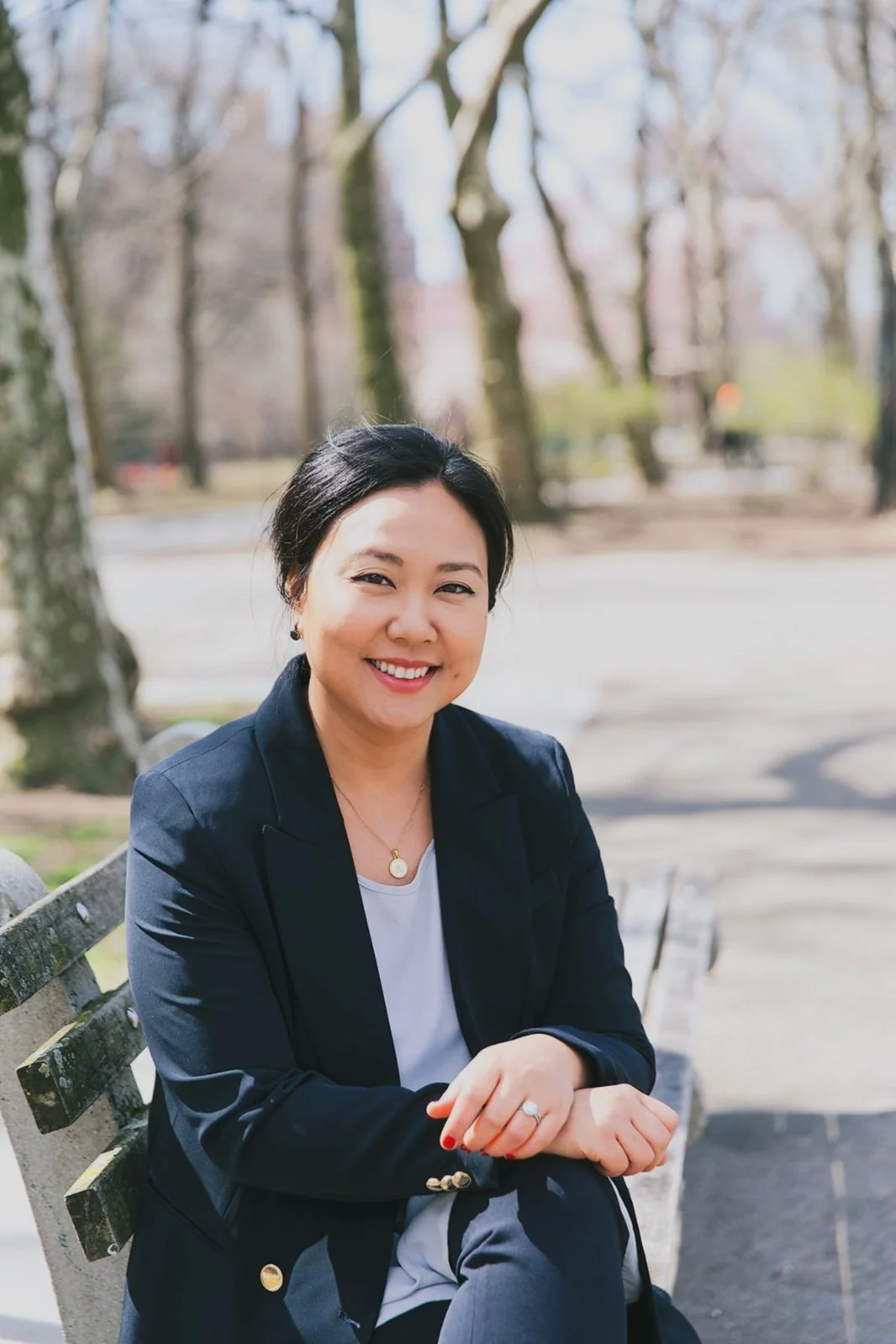
Angela Gwak, MFT, PhD
Director, Licensed Psychologist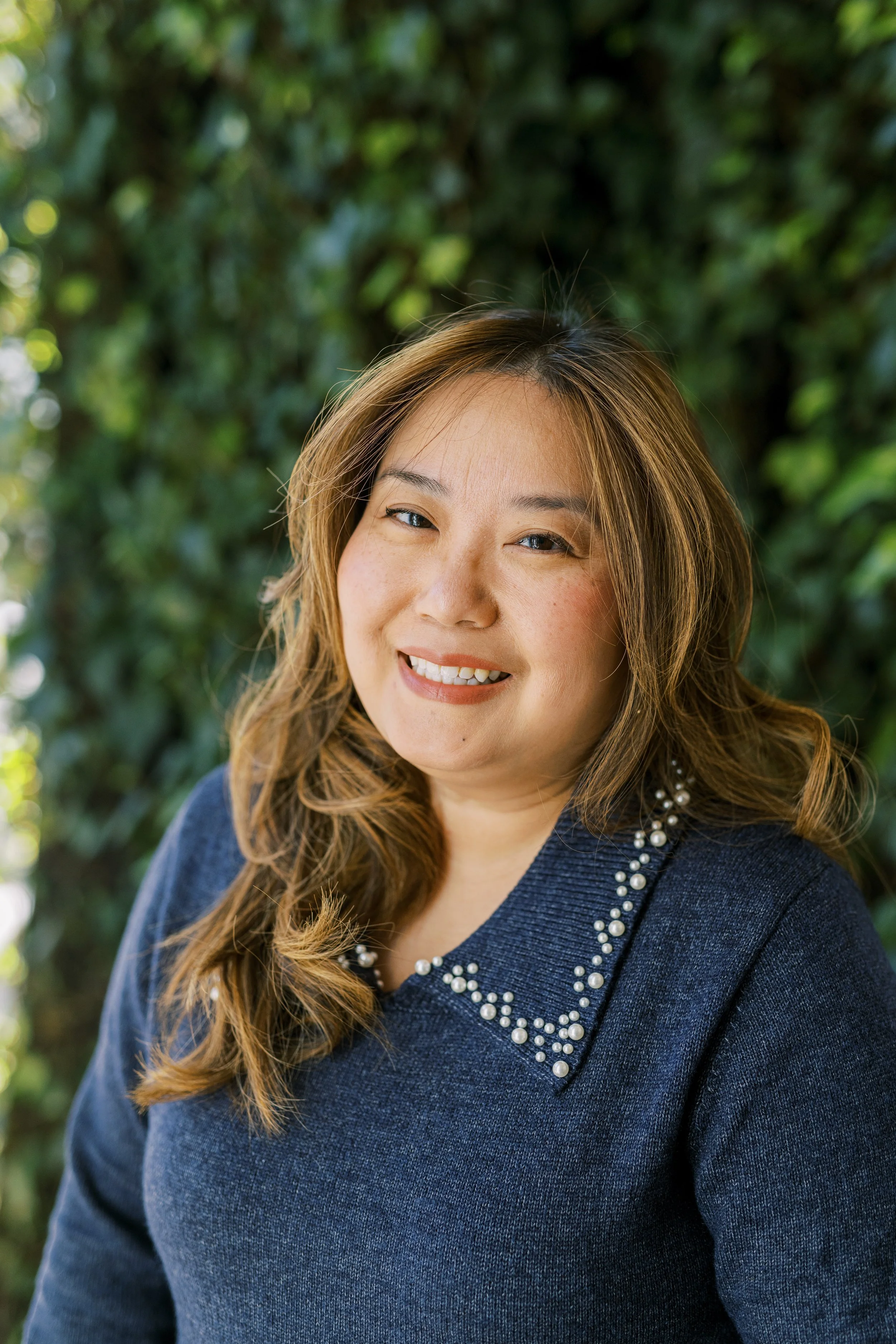
Esther Eng, MHC-LP
Associate Therapist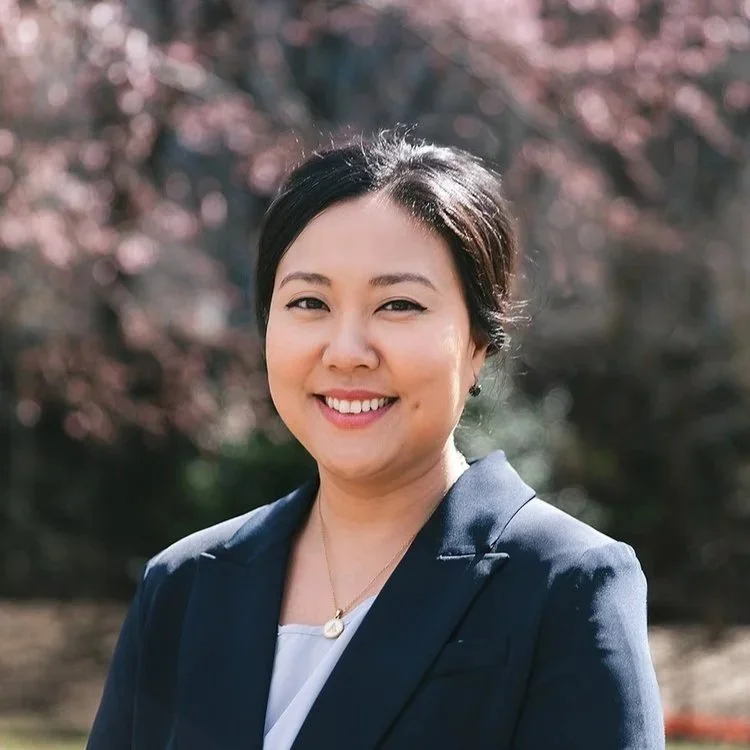
Meet Our Director
Dr. Angela Gwak, MFT, PhD · NY & NJ Licensed Asian American Psychologist
Dr. Angela Gwak is a Columbia University-trained Asian American psychologist and the founder of Resonance Psychology, based in Manhattan, New York. She's passionate about creating a therapeutic space where clinical excellence is valued and a safe refuge is fostered for both clients and clinicians.
With 19 years of clinical experience, she brings expertise in the treatment of trauma (PTSD and cPTSD), anxiety, self-esteem, depression, Asian American and BIPOC mental health, Adult Third Culture Kids (TCKs), spirituality, and multicultural identity concerns. She also specializes in relational difficulties in various contexts.
Therapy Offered In:
Our office is conveniently located in Flatiron and Gramercy, close to Madison Square Park in Manhattan. For virtual sessions, we connect through a safe HIPAA-compliant teletherapy platform.
New York
We provide in-person and virtual therapy sessions for clients all across New York State.
New Jersey
We offer virtual therapy sessions for clients residing in New Jersey.
Florida
We're registered as a telehealth provider in Florida, so we offer virtual therapy sessions for clients residing in Florida.
Please note: we offer virtual options only, and no in-person sessions, for clients in New Jersey and Florida at this time.

What to Expect:
Reaching out for support is a meaningful first step, and we want the process to feel clear and simple from the start. Here's what happens when you contact Resonance Psychology.
01
Reach Out:
Call us at (212) 884-1903 or fill out our inquiry form. Share a little about what brings you in, and we'll take it from there.
02
We'll Be in Touch:
A member of our team will contact you by email or phone, usually within 24 hours on weekdays, to schedule your free consultation call.
03
Free Consult Call:
This 15 to 20 minute call is a chance to connect, ask questions, and see if we're a good fit for each other. There's no commitment. It's simply a conversation to help you decide on your next step.
04
Schedule Your Intake Session:
If you'd like to move forward, we'll schedule your first session, a 60-minute intake assessment. Together, we'll explore your background, your goals, and what you'd like to work on, so your care is tailored to you from the very beginning.
Frequently Asked Questions
-
Resonance Psychology is the name of our boutique therapy practice in Manhattan, New York City, founded by Dr. Angela Gwak. We're a licensed clinical practice offering therapy for adults, with specialties in trauma, anxiety, depression, relationships, self-esteem, life transitions, and cultural identity.
-
We work with adults navigating trauma (including C-PTSD, PTSD, and intergenerational trauma), anxiety and relational anxiety, depression, self-esteem, couples and interracial relationship work, life transitions, grief, stress management, and cultural identity (including adult Third Culture Kids, Asian American and BIPOC mental health, neurodivergence and ADHD, and other marginalized identities).
-
Please contact us directly for current information about fees and insurance. We're happy to discuss this on your free consultation call.
-
Yes! We see clients in person at our Manhattan office and offer virtual therapy for clients located anywhere in New York State, New Jersey, and Florida. Please note that for clients in New Jersey and Florida, we offer virtual sessions only at this time.
-
Our process is simple: reach out by phone or through our inquiry form, have a free 15 to 20 minute consultation call, and if it feels like a good fit, schedule your 60-minute intake session. From there, your therapist will create an individualized treatment plan tailored to your goals. See "What to Expect" above for each step in detail.
-
We're a boutique practice committed to highly individualized and curated therapy for clients seeking depth-oriented change. We bring particular expertise to Asian American and BIPOC mental health, bicultural identity, trauma, and the specific experiences adults navigate at the intersection of culture, relationships, and inner life.
Resonance Psychology PLLC is a boutique private practice. All clinical work is provided by licensed and limited permit registered professionals. If you're experiencing a mental health emergency, please call or text 988 (Suicide and Crisis Lifeline), or go to your nearest emergency room.